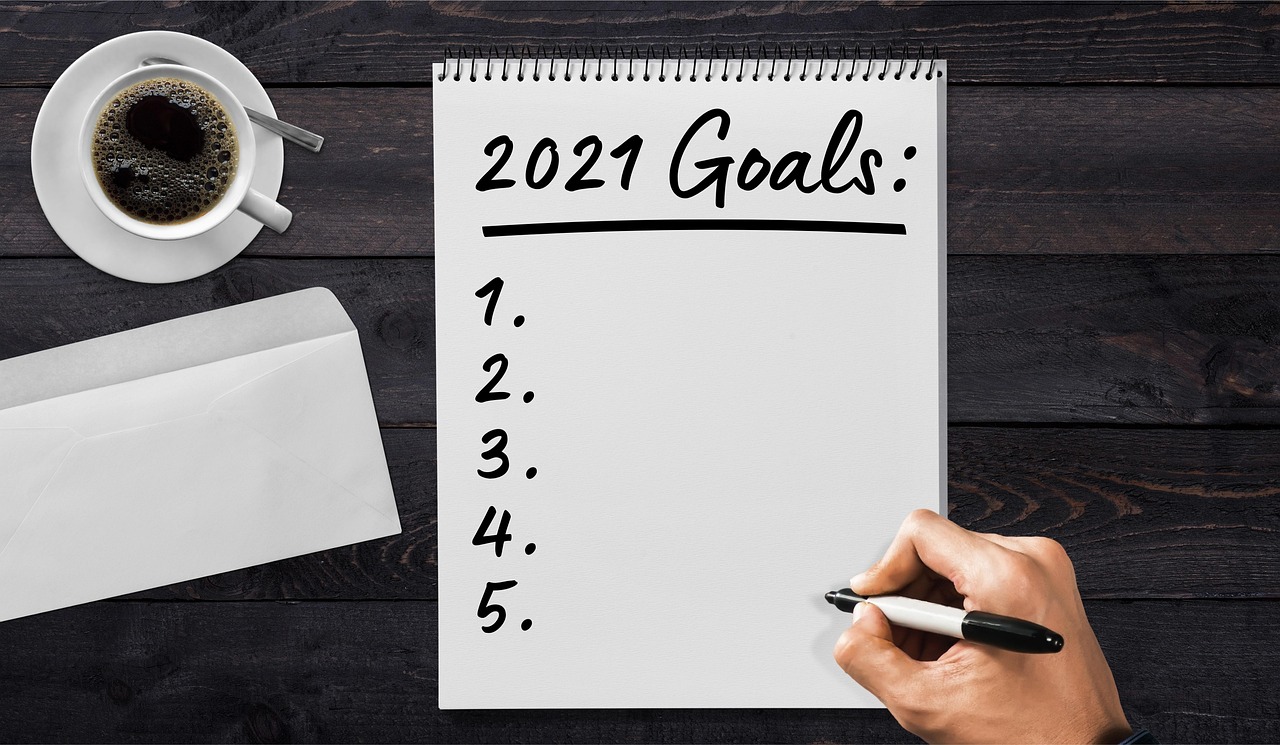
The Ivy Lee Method is a century-old, simple to do list system designed to eliminate decision fatigue, establish clear daily priorities, and help you focus on one task at a time. Instead of juggling dozens of open tabs and sprawling lists, this routine asks you to choose just six tasks each evening and tackle them in strict order the next day.
If you constantly feel overwhelmed by endless obligations, or if you recognize the signs you are productive but not actually getting anything done, this classic framework provides an immediate remedy. Here is an in-depth breakdown of how the Ivy Lee Method works, why it remains one of the most effective prioritization techniques ever created, and how you can implement it as your primary daily productivity routine.
The Origin of the Ivy Lee Routine
In 1918, Charles M. Schwab—one of the wealthiest industrialists of his era and the president of the Bethlehem Steel Corporation—sought a way to increase the efficiency of his management team. He arranged a meeting with Ivy Lee, a prominent productivity and public relations consultant.
According to the story, Lee asked for just fifteen minutes with each executive. When Schwab asked how much the consultation would cost, Lee replied that Schwab could pay him whatever he felt the advice was worth after three months of testing. After ninety days, Schwab was so impressed with the boost in efficiency and focus across his firm that he sent Lee a check for $25,000—an extraordinary sum at the time.
The advice Lee shared was neither complex software nor an elaborate manual. It was a straightforward, six-step framework for planning and executing daily work.
The 6 Steps of the Ivy Lee Method
The beauty of this focus strategy lies in its constraints. You do not need special tools—just a pen and an index card or notebook page. Follow these six steps every working day:
- Write down tomorrow's tasks tonight: At the end of each workday, write down the six most important things you need to accomplish tomorrow. Doing this before leaving your desk closes your mental loops and prepares your mind for rest.
- Enforce the rule of six: Do not write down more than six tasks. If an item does not make the top six, leave it off the list entirely.
- Rank your tasks in order of importance: Review your six items and rank them numerically from one to six based on their true value, not their ease or urgency.
- Focus exclusively on task number one: When you start work tomorrow, look only at the first item. Concentrate completely on that single task until it is finished before touching anything else.
- Move sequentially down the list: Approach the rest of your day in the exact same fashion. Do not start task two until task one is complete. If you finish task two, move to task three, and so on.
- Roll over unfinished items and repeat: At the end of the day, transfer any unfinished items to a new list of six tasks for tomorrow. Then repeat the process by planning the next six tasks every single evening.
Why This Focus Strategy Works
Modern productivity systems frequently fail because they try to capture everything. When your daily checklist has thirty tasks, your brain experiences cognitive overload. The Ivy Lee Method relies on proven psychological principles to keep you moving forward.
1. It Reduces Decision Fatigue
Every decision drains mental energy. When you sit down at your workspace without a predetermined plan, you waste your peak morning focus deciding what to work on. By deciding your schedule the night before, you remove that friction. When you sit down to work, your only job is execution.
2. It Enforces Single-Tasking
Multitasking splits your attention and introduces switching costs that drag down quality and speed. The Ivy Lee Method forces strict single-tasking. You do not look at item three while working on item one. You commit your cognitive resources to a single outcome until it is done.
3. The Constraint Creates Clarity
Limiting your list to six items forces critical evaluation. You cannot afford to fill slots with low-value administrative busywork when you only have six spots. You must ask yourself: What moves the needle most today?
Comparing Ivy Lee with Other Prioritization Techniques
The Ivy Lee system is not the only framework available, but it pairs remarkably well with other popular approaches. Understanding how it compares to alternatives can help you tailor your workflow.
| Method | Core Principle | Best Suited For |
|---|---|---|
| Ivy Lee Method | Six tasks ranked strictly by importance, done sequentially | Eliminating daily overwhelm and building single-tasking discipline |
| Eisenhower Matrix | Dividing tasks into four quadrants based on urgency and importance | High-level delegation, scheduling, and strategic sorting |
| Eat the Frog | Tackling your hardest, most critical task first thing in the morning | Overcoming chronic procrastination on large projects |
If you already use the Eisenhower Matrix to prioritize your tasks, you can use it during your weekly planning, then rely on the Ivy Lee Method to execute individual workdays. Similarly, the first task on your Ivy Lee list essentially functions as the "frog" in the Eat the Frog method.
How to Adapt the Method to the Real World
While the six rules are straightforward, modern work environments are full of meetings, unexpected messages, and shifting deadlines. Here is how to apply the system without letting daily surprises derail you:
Break Down Overly Large Tasks
A common mistake is writing vague, multi-hour projects on your list, such as "Write dissertation chapter" or "Redesign website." Tasks that are too large invite resistance and procrastination. Instead, break projects down into actionable components that can reasonably be completed within a focused work block.
Create a Buffer for Emergent Work
If your role requires answering customer inquiries or handling team escalations, do not expect to spend eight uninterrupted hours on your six items. Allocate dedicated time windows for responsive tasks, and protect two to three focus sessions for working through your Ivy Lee list.
Do Not Fret Over Incomplete Days
Many beginners feel discouraged if they only finish three or four of their six tasks. Remember that finishing your top two or three most critical priorities is far more valuable than crossing off ten trivial errands. If your top items truly were the most important tasks of your day, your time was well spent.
Conclusion
The Ivy Lee Method has survived for over a century because it solves the fundamental problem of modern work: having too much to do and too little clarity on where to begin. By limiting your commitments to six prioritized actions and working through them sequentially, you replace frantic multitasking with calm, deliberate progress. Grab an index card at the end of your day today, write down tomorrow's six tasks, and experience the impact of pure focus tomorrow morning.
Frequently asked questions
What happens if I do not finish all six tasks in a day?
Simply roll the unfinished tasks over to your list for the next day. If a task sits unfinished for several consecutive days, reevaluate whether it is genuinely important or if it should be removed entirely.
Why does the method limit you to exactly six tasks?
Six tasks provide enough room to make meaningful progress on significant projects while remaining small enough to prevent overwhelm and force ruthless prioritization.
Can I use a digital app instead of pen and paper for the Ivy Lee Method?
Yes, but pen and paper or a single index card works best because physical space limits your list and keeps digital notifications from distracting you during the planning process.
Keep reading
- Energy Management vs Time Management: Increase Focus
- Eat the Frog Method: How to Stop Procrastinating
- Habit Stacking: How to Build Habits That Actually Last
Thanks for stopping by. If you have a question or a topic you'd like covered, the contact page is always open.